Independent House: What It Means and What to Check Before You Buy
Published : 23-Nov-2026
Buying an independent house is one of the biggest decisions an Indian family makes, because it gives you full ownership of both the land and the building on it. Unlike an apartment where you share walls, ceilings and common corridors with dozens of neighbours, an individual house gives your household space, quiet and control over your daily life. Before you choose an independent house for sale, it helps to understand what the term actually covers, how it compares with an apartment and which legal and practical checks keep your purchase safe.
What Is an Independent House?
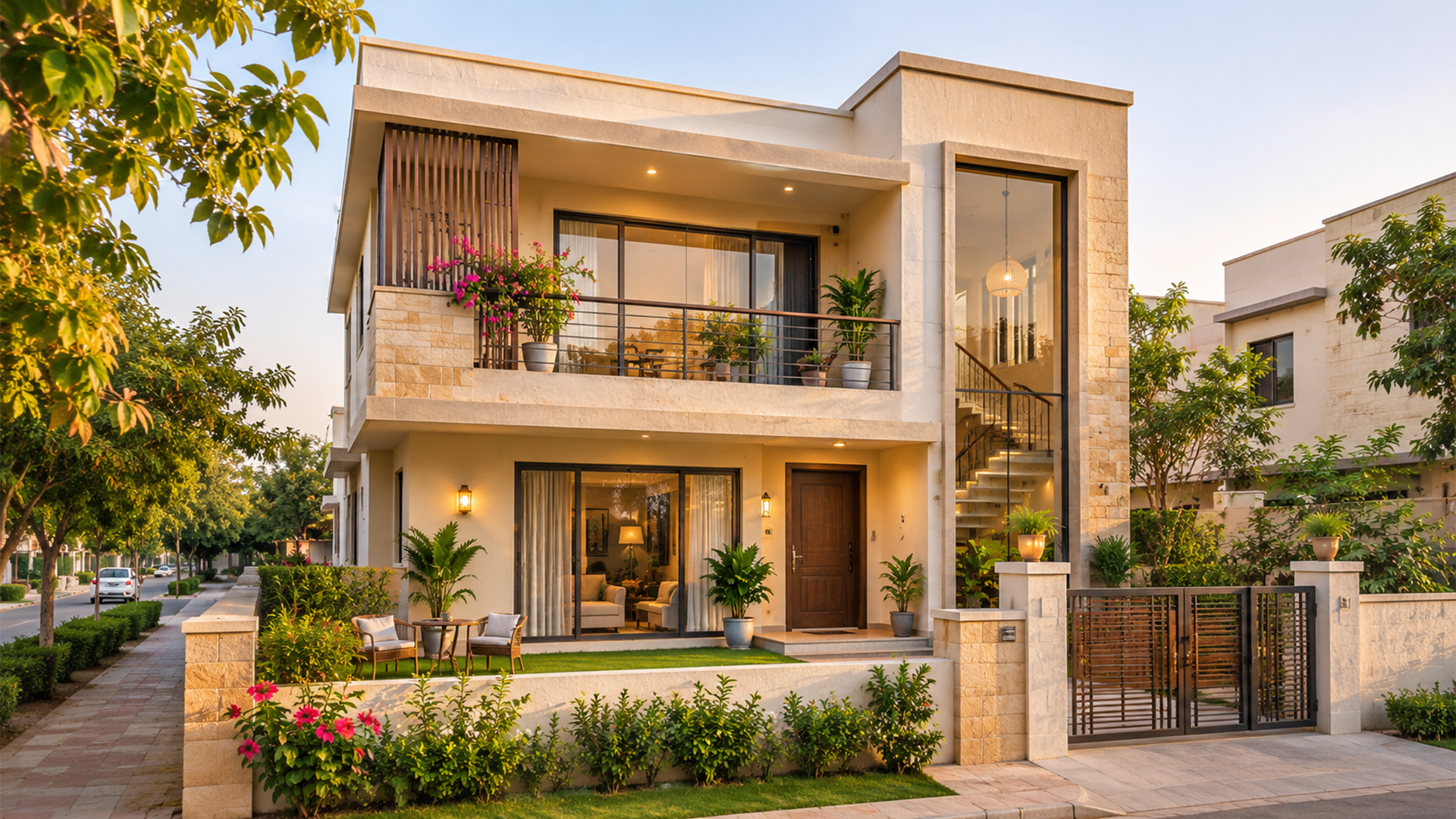
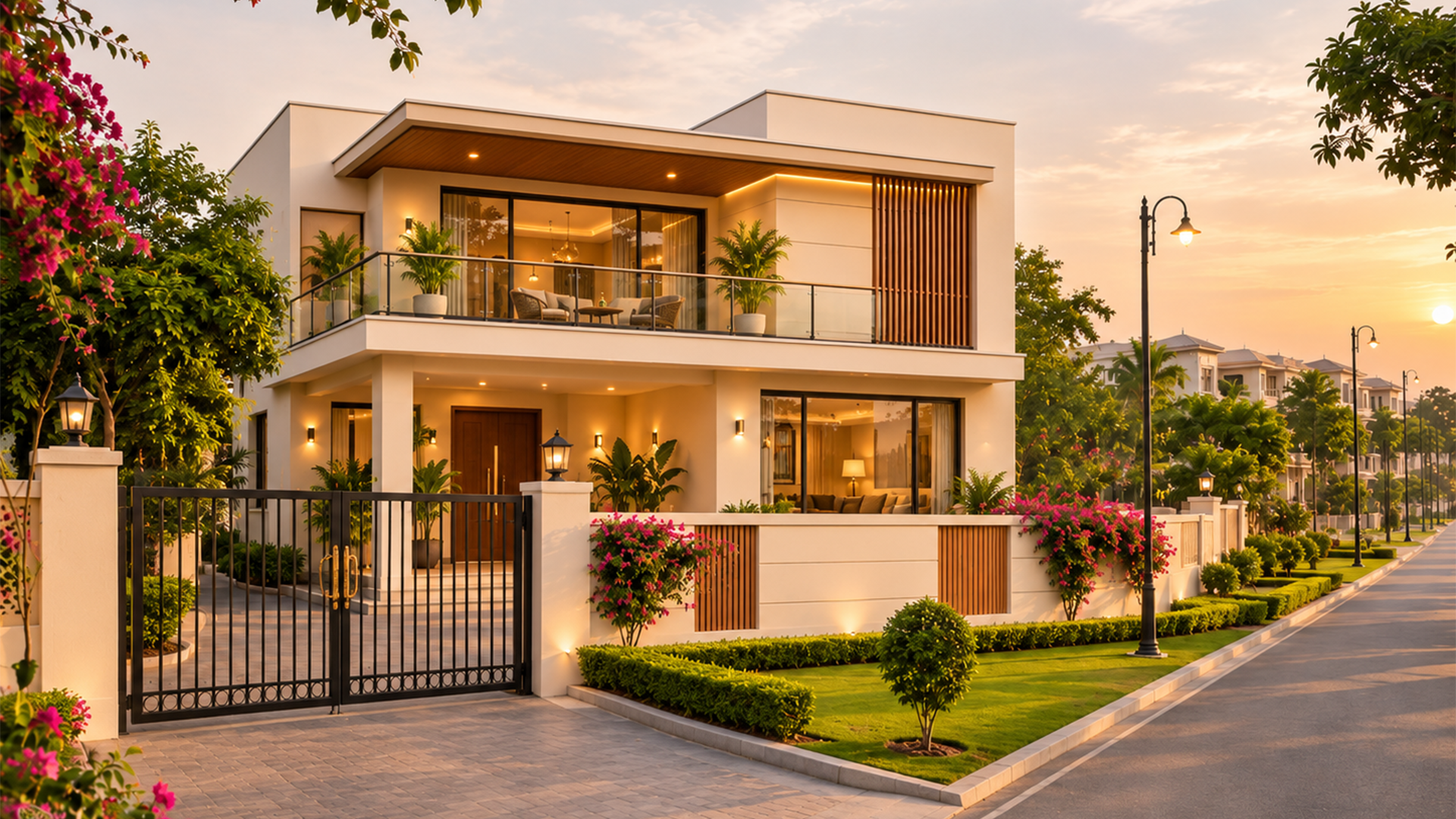
An independent house is a standalone residential building constructed on its own plot of land, where a single family or owner holds rights to both the structure and the land beneath it. Across northern and central India, people also refer to this style of home as an individual house, a kothi, a bungalow or a villa when it sits inside a planned residential community. You do not share your roof, staircase or entrance lobby with another household, and your boundary wall separates your private garden or courtyard from the street outside.
Housing demand across India continues to grow steadily as more families seek permanent homes of their own. For buyers in growing cities like Jhansi, it is a good time to look closely at well-planned residential options.
Independent House vs Flat: Key Differences
Choosing between an independent house vs flat comes down to how your family values private land, flexibility and shared facilities. If you are weighing both choices in a growing city, reading a detailed comparison of flats vs villas in Jhansi can help you match each option to your daily routine.
Point | Independent House | Flat |
Land ownership | Full ownership of the plot and building | Undivided share in the project land |
Privacy | No shared walls, roof or entrance lobby | Shared walls, lifts and common corridors |
Space to expand | Can add floors or rooms with civic approval | Fixed carpet area with no room to expand |
Maintenance | Owner manages house upkeep and repairs | Monthly society fee covers building upkeep |
Security | Private gates, plus township guards if gated | Building guards, intercom and CCTV access |
| Amenities | Private lawn or terrace, plus township parks | Shared clubhouse, gym, pool and play areas |
Why Families Choose an Independent House
Many growing households prefer an individual house because their living needs change over time. Parents living with elderly relatives and young children often find that multiple floors, a private terrace and a small front garden make daily routines much easier to organise. You can host family gatherings without worrying about disturbing neighbours on the floor below, and children have safe outdoor space right outside the main door.
Ownership of the land also gives you long-term flexibility. With proper building plan approval from the local development authority, you can remodel rooms, build an extra floor for a married child or create a quiet home office on the terrace. You also decide when to repaint, upgrade plumbing or install solar panels without waiting for a housing society vote.
What to Check Before Buying an Independent House
A safe property purchase depends on verifying documents and site conditions before you sign an agreement or transfer money. Taking time to review what families should check before buying a home protects your savings from title disputes and construction delays.
- Confirm clear land title, mutation records and encumbrance certificates so you know the seller has full legal right to transfer the plot.
- Verify that the building layout and floor plan carry formal approval from the local development authority, such as JDA in Jhansi.
- Check project registration on the official UP RERA portal, which lists 4,304 registered projects and offers a Verify RERA Registration tool.
- Inspect physical infrastructure on site, including approach road width, drinking water supply, drainage lines and reliable electricity connections.
- Walk through the rooms during daytime to check natural sunlight, cross ventilation, wall dampness and practical parking space for your vehicles.
Paying attention to how you transfer funds is equally important. The Real Estate (Regulation and Development) Act, 2016 came into force on 1 May 2016 to protect home buyers and bring transparency, and UP RERA advises buyers to make all payments only into the project's designated collection account and to report any other account. Keeping every payment traceable through banking channels gives you clear proof of purchase.
Financing also plays a direct role in planning your purchase comfortably. According to the Reserve Bank of India, the Monetary Policy Committee raised the policy repo rate by 25 basis points to 5.50 per cent on 7 October 2026, and home loan rates linked to the repo rate can move after such changes. Checking your monthly EMI comfort with your bank before booking helps your household budget stay balanced.
Independent House Living in a Planned Township
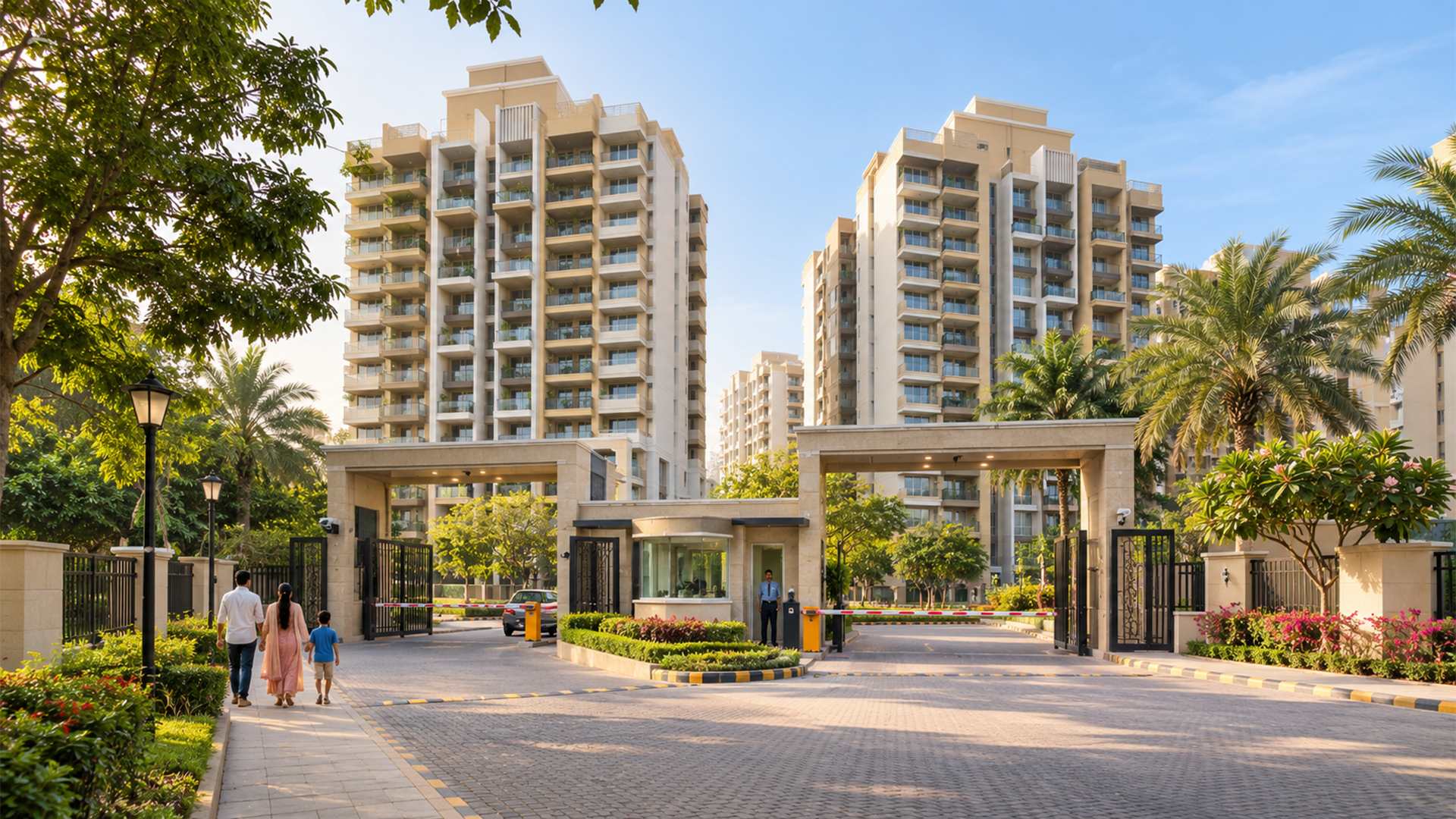
Buying a plot on an unplanned street can leave families dealing with narrow lanes, uneven water supply and open overhead wires. Choosing an independent house inside an approved, gated township keeps your private land ownership intact and adds wide internal roads, regular waste management and guarded entry gates.
Living inside a larger township also brings everyday essentials closer to home. When a school, healthcare facility and local shopping centre sit inside or right beside the community, children travel shorter distances and elders have quick access to medical care. Under Section 11(4)(e) and Section 17 of the RERA Act, the promoter must also help form an association of allottees, and the common areas are handed over to that association so residents retain long-term control over their neighbourhood.
Sanfran Ashok Valley, Jhansi
For families searching for an independent house in Jhansi, Sanfran Ashok Valley brings villa living into a completed, JDA approved and RERA registered community. Spread across 40 acres as part of the larger Sanfran Ashok City township on the Kanpur-Gwalior Bypass Road (NH 27), the project offers ready-to-move 2, 3 and 4 BHK villas, mansions and residential plots with immediate possession. At Sanfran Group, we bring 17 years of experience and over 9,000 units delivered to help families settle into dependable homes.
The township is designed for comfortable everyday living with wide internal roads, underground electricity cables, street lights, rainwater harvesting and a sewage treatment plant. Residents have 24x7 security with CCTV at entry and exit gates, 100% power backup in common areas, a swimming pool and an on-site shopping centre. Delhi Public School sits right inside the premises and Sanfran Ken Hospital is close by, making daily errands and school runs simple for busy parents.
The Kanpur-Gwalior Bypass Road location keeps major Jhansi landmarks within easy reach.
- Mustra Railway Station is 0 km away and Sakhi ke Hanuman Temple is 1 km from the township.
- Manik Chowk and the Medical College are both located at a distance of 3 km.
- Bundelkhand University is 4 km away, the bus stop is 5 km away and Elite Crossing is 7 km away.
If you are comparing layouts or planning your family budget, our buying guide to villas in Jhansi explains how different villa sizes suit different household needs. Because availability and unit configurations change regularly, please contact the Sanfran team directly for current prices and to schedule a site visit to explore a house for sale in Jhansi.
Frequently Asked Questions
Q. What is the meaning of an independent house?
An independent house is a standalone home built on its own plot where one owner holds rights to both the land and the entire residential building.
Q. What is an independent house called in India?
Depending on its size, design and location, an independent house in India is commonly called an individual house, kothi, bungalow or villa inside a gated community.
Q. Is an independent house better than a flat?
An independent house suits families wanting private land, privacy and expansion freedom, while a flat suits buyers who prefer compact living and shared building upkeep.
Q. Can I buy an independent house with a home loan?
Yes, banks and housing finance companies provide home loans for approved independent houses and villas after verifying the property title, development authority approvals and borrower income.
Q. Can I take a loan against my independent house?
Yes, lenders offer a loan against property on a registered independent house, calculating the loan amount based on the market valuation of the property and your income.
Q. How can I purchase an independent house safely?
Hire a property lawyer to search the records, register the sale deed at the sub-registrar's office and get the mutation updated in your name soon after.
Q. Does an independent house project need RERA registration?
Yes, under Section 3 of the RERA Act, any residential project developed on land exceeding 500 square metres or having more than eight units must register with RERA.
Q. Who looks after maintenance in a villa township?
Inside the villa, the homeowner manages repairs and upkeep, while common roads, parks and security are maintained first by the developer and later by the residents' association.